Verandah enclosures are becoming an increasingly popular choice for homeowners who want to extend their living space, improve energy efficiency, and boost their property’s value. This article explores the benefits of having a verandah enclosure and answers common questions that homeowners may have.
What Are the Key Benefits of Verandah Enclosures?
Increased Living Space
Enclosing a verandah allows homeowners to increase the usable living area of their home, providing a versatile space that can be enjoyed year-round. This extra space can serve multiple purposes, from a cosy relaxation spot to an area for entertaining guests.
The enclosed verandah becomes a seamless indoor-outdoor space, allowing families to enjoy the outdoors regardless of the weather. This is especially valuable in regions where the climate limits the use of open verandahs.
With the right design, a verandah enclosure can add functionality to the home without altering the existing layout. This makes it a practical option for homeowners looking to expand without major renovations.
Enhanced Aesthetic Appeal
Verandah enclosures can enhance the visual appeal of your property, adding elegance and sophistication. These structures can be designed to blend seamlessly with a variety of architectural styles, whether modern or traditional.
Glass and aluminium frames offer a contemporary look, combining sleekness with functionality. Wooden and composite options provide a rustic, eco-friendly charm, catering to different aesthetic preferences.
By selecting materials and designs that complement the existing architecture, homeowners can ensure that their verandah enclosure not only serves a functional purpose but also enhances curb appeal, adding overall value to the home.
How Do Verandah Enclosures Improve Energy Efficiency?
Insulation Properties
One of the main benefits of verandah enclosures is their ability to provide insulation against extreme temperatures, leading to lower heating and cooling costs. By creating a buffer between the indoors and outdoors, enclosures help maintain a more consistent indoor climate.
This benefit is especially noticeable in homes with open verandahs, where drafts and energy loss are common. Enclosures act as a barrier, reducing these issues and making it easier to control indoor temperatures.
The choice of materials, such as double-glazed glass, can further enhance the insulation properties, offering even greater energy savings over time. Investing in high-quality materials can be a smart move for those focused on long-term energy efficiency.
Natural Light Utilisation
Verandah enclosures can be designed to maximise natural light, reducing the need for artificial lighting. Large windows and glass panels allow sunlight to flood the space, creating a bright, inviting atmosphere.
This design approach not only saves energy but also contributes to a healthier living environment. Natural light has been shown to improve mood and productivity, making enclosed verandahs a desirable feature for homeowners.
Strategically placing windows and using reflective surfaces can improve light distribution, ensuring the entire space benefits from natural illumination. Thoughtful design can lead to both aesthetic and functional improvements.
Are Verandah Enclosures Worth the Investment?
Cost vs. Value
Homeowners often weigh the installation cost of verandah enclosures against the potential increase in property value. While the initial costs may vary, these enclosures often provide a significant return on investment.
Homes with verandah enclosures generally command higher market values due to the added living space and enhanced aesthetic appeal. Prospective buyers may be willing to pay more for a property with these versatile and attractive features.
Moreover, the growing trend towards sustainable, energy-efficient living means that verandah enclosures are increasingly seen as valuable investments. This trend supports the case for investing in such home improvements.
Long-term Savings
In addition to boosting property value, verandah enclosures offer long-term financial benefits. The energy efficiency of these structures often translates into lower utility bills over time.
Reduced energy consumption not only benefits homeowners financially but also contributes to environmental sustainability. As more people seek greener living options, verandah enclosures are becoming an increasingly appealing feature.
The durability of quality verandah enclosures also means minimal maintenance, enhancing their cost-effectiveness. Over time, these savings can offset the initial investment, making them a practical long-term choice.
What Types of Materials Are Best for Verandah Enclosures?
Glass and Aluminium Framing
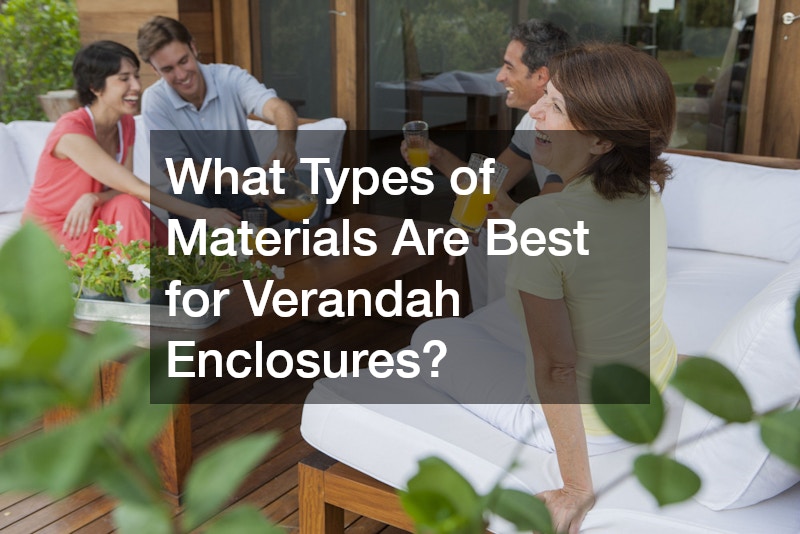
Glass and aluminium are popular choices for modern verandah enclosures due to their durability and sleek appearance. These materials are particularly well-suited for contemporary designs where unobstructed views and minimal maintenance are priorities.
The strength and weather resistance of aluminium, combined with the clarity and openness of glass, create a compelling combination. This choice helps to create a seamless connection between indoor and outdoor spaces, enhancing the luxurious feel of your home.
Additionally, the versatility of glass and aluminium allows for extensive customization, accommodating various sizes and design preferences. For homeowners seeking a blend of functionality and modern aesthetics, this material choice is particularly appealing.
Wood and Composite Options
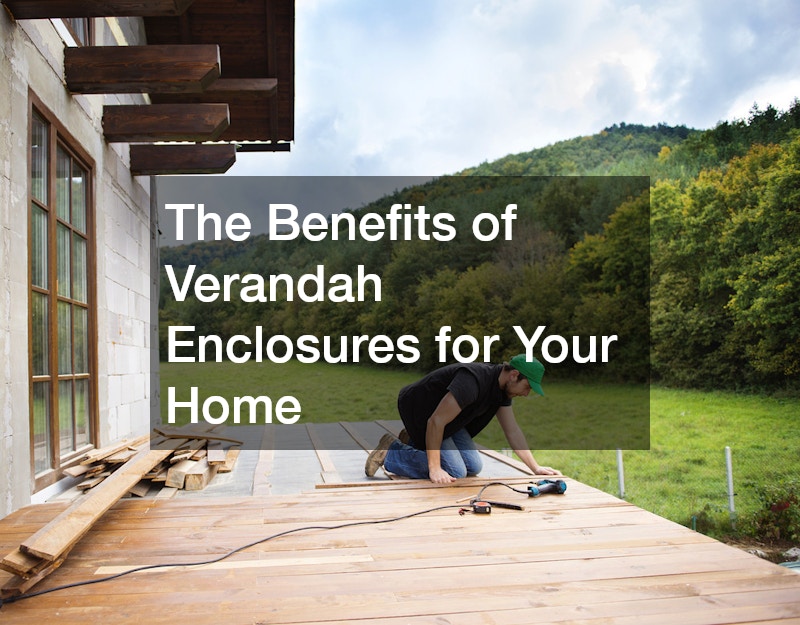
For those who prefer a more traditional or eco-friendly option, wood and composite materials provide an excellent alternative. These materials offer a warm, natural look that complements classic or rustic home designs.
Wooden enclosures exude charm and craftsmanship but may require slightly more maintenance compared to their aluminium counterparts. Composite materials, however, provide the appearance of wood with enhanced durability and reduced upkeep.
Choosing wood or composite materials may also align with environmental goals, as many composite options are made from recycled materials. Homeowners seeking to make environmentally responsible choices will find these materials particularly attractive.